

Keeping a home clean is a regular responsibility, and for many people in the UK, it is one more task to fit around work, family life, shopping and other daily commitments. From cleaning the kitchen after cooking to dealing with bathroom grime at the weekend, household chores can take up valuable time.
Practical cleaning appliances can make some of these jobs easier to manage. A steam cleaner is one option worth considering in 2026, particularly for households looking for a versatile way to tackle suitable cleaning tasks around the home.
Using heated water to produce steam, this appliance can help loosen dirt and residue from compatible surfaces. It may be useful for cleaning selected kitchen areas, bathroom tiles and other places where grime can build up. However, its value depends on the jobs you need to do, the surfaces in your home and the features of the model you choose.
Why Are Steam Cleaners Becoming Useful for Busy Households?
Modern household routines often leave limited time for detailed cleaning. People may have to fit chores around commuting, working from home, caring for children or managing other responsibilities. Having an appliance that can handle several suitable cleaning tasks may make the routine more manageable.
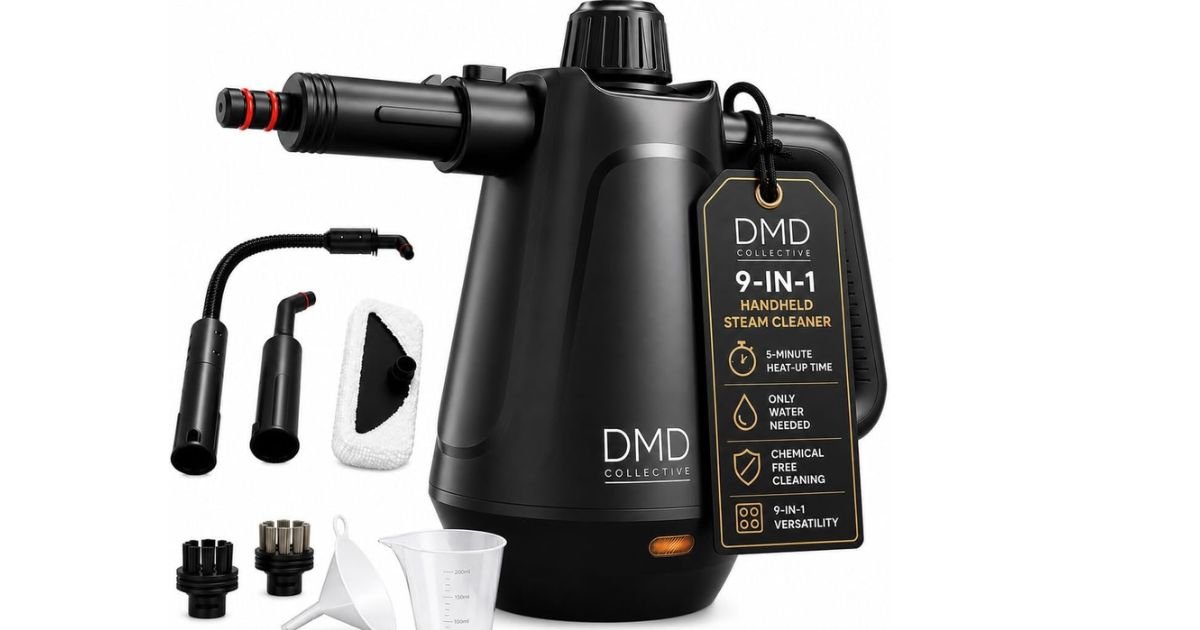
A multi-purpose steam cleaner can come with different attachments for specific jobs, reducing the need to switch between several cleaning tools. A handheld model may be useful for smaller areas, while a steam mop is designed mainly for compatible floors.
This does not mean every household needs a steam cleaner. However, if you regularly struggle with stubborn grime on suitable surfaces, it may be a practical addition to your existing cleaning equipment.
5 Ways a Steam Cleaner Could Help Around Your Home
1. Making Kitchen Cleaning More Manageable
The kitchen is one of the busiest areas of a home. Cooking can leave grease around the hob, splashes on the splashback and residue on nearby surfaces.
A steam cleaner may help loosen dried-on dirt from suitable, heat-resistant materials. With the correct attachment, it can also reach certain corners and edges that are awkward to clean by hand.
Before using steam on a hob, oven or worktop, check the manufacturer’s instructions. Some surfaces and appliance components can be damaged by heat or moisture, and steam should never be directed towards electrical controls or sockets.
2. Helping With Bathroom Grime
Bathroom tiles, grout lines and shower areas can collect soap residue and everyday dirt. Cleaning these areas thoroughly may require extra attention, especially around corners and joints.
On compatible surfaces, steam can help loosen grime so that it can be wiped away. A suitable detail brush may make it easier to reach narrow spaces.
Steam is not a guaranteed solution for every bathroom problem. Persistent limescale may require an appropriate descaler, while mould caused by ongoing dampness needs the underlying moisture problem to be addressed.
3. Reducing the Need for Certain Cleaning Products
Many steam cleaners are designed to use water alone for approved cleaning tasks. This may reduce the need for some cleaning sprays or detergents, depending on the surface and the type of dirt.
However, water-only steam cleaning will not replace every cleaning product. Some stains need a surface-specific treatment, and any detergent or additive should only be put into the appliance if its manufacturer explicitly allows it.
4. Making Small Cleaning Jobs More Convenient
A handheld steam cleaner can be useful when you need to tackle a small, compatible area rather than bring out a larger appliance. Depending on the attachments supplied, it may help with selected corners, tiled surfaces and other detailed jobs.
Convenience also depends on the design. A lightweight appliance with an easy-to-fill tank may suit quick tasks, while a larger machine could be more practical for longer cleaning sessions.
5. Bringing Several Cleaning Functions Together
Some multi-purpose models include floor heads, detail nozzles and compatible brushes for different jobs. This can make one appliance useful for more than a single task.
Before buying, check which surfaces the manufacturer actually approves. A model with many attachments is not automatically suitable for every floor, fabric, window or kitchen appliance.
Features to Look for in a Good Steam Cleaner in 2026
If you decide to buy a steam cleaner, focus on features that will make a genuine difference to your routine.
Adjustable steam control: Different cleaning tasks may need different steam outputs. Adjustable settings provide more control on approved surfaces.
Fast heat-up time: A shorter heating period can be useful when you want to clean a small area without waiting too long.
Practical water tank capacity: A larger tank may reduce interruptions during longer jobs, while a compact tank can help keep a handheld cleaner lightweight.
Useful attachments: Detail nozzles, compatible brushes and suitable floor heads can improve versatility. Choose accessories for the jobs you actually intend to do.
Safety features: Depending on the model, useful features may include a child lock, steam lock, automatic shut-off, pressure-release mechanism, safety cap and indicator lights. Check the specifications rather than assuming every model includes them.
Easy maintenance: Look for clear instructions on filling, cleaning and descaling. In UK areas with hard water, limescale management may be particularly relevant.
Comfortable handling: Weight, grip, cord length and storage requirements all affect how convenient an appliance is to use regularly.
Warranty and support: Check warranty terms, replacement-part availability and customer service. UK buyers should look for a standard three-pin plug and buy from a reputable retailer.
Steam Cleaner vs Steam Mop: Which Is Better?
A steam mop is designed mainly for compatible floors. Its long handle and floor head make it convenient for cleaning larger areas.
A handheld steam cleaner is more compact and can be useful for smaller jobs when the correct attachments are supplied. Cylinder-style steam cleaners may offer a wider range of accessories for different approved tasks.
If your main concern is floor cleaning, a steam mop may be enough. If you want to tackle several different types of cleaning jobs, a multi-purpose model could be more suitable.Neither option should be used on surfaces that the manufacturer has not approved for steam cleaning.
What Should You Never Clean With a Steam Cleaner?
Steam combines heat and moisture, which can damage certain household materials. Always check the relevant manufacturer’s guidance before use.
Be especially cautious with:
- Unsealed wooden and parquet floors.
- Laminate or vinyl flooring not approved for steam cleaning.
- Delicate fabrics such as silk and suede.
- Painted or varnished finishes that may react to heat.
- Cold glass that could crack because of a sudden temperature change.
- Electrical sockets, exposed wiring and appliance controls.
- Damaged seals, open joints and water-sensitive materials.
Never direct steam towards people or pets. Unplug the appliance before filling or maintaining it, and never open a pressurised tank while it is hot or under pressure.
Does a Steam Cleaner Kill Germs?
Steam at sufficiently high temperatures may reduce certain microorganisms under suitable conditions. The result depends on the temperature reached at the surface, contact time and the appliance’s tested performance.
Do not assume that every steam cleaner sterilises surfaces or guarantees disinfection. If a specific hygiene result matters, check the manufacturer’s testing evidence and instructions.
Is a Steam Cleaner Worth Buying for Your Home?
A steam cleaner may be worth considering if you regularly clean compatible tiled surfaces, grout lines or other areas where steam can help loosen dirt. It may also reduce the need for certain cleaning products during suitable tasks.
It may be less useful if your home contains many delicate surfaces or if your current cleaning equipment already meets your needs.
Before buying, list the cleaning jobs you want the appliance to handle. Compare its attachments, tank capacity, heat-up time, safety features, maintenance requirements and warranty. UK buyers should also check the plug, retailer and any relevant product safety information.
Electrical Safety First recommends reading the manufacturer’s instructions, checking the plug and cord, and registering the appliance so you can be contacted if a safety recall is issued.
Frequently Asked Questions
Is a steam cleaner necessary for every home?
No. It can be useful for certain cleaning jobs, but it is not essential for every household. Its value depends on your surfaces, cleaning routine and budget.
Can I use a steam cleaner on my kitchen hob?
Only if the hob manufacturer permits it. Heat and moisture can damage seals or enter electrical components, so check the instructions for your exact appliance.
Can a steam cleaner be used on laminate flooring?
Not all laminate floors are suitable. Heat and moisture can damage some flooring layers and joints. Check the flooring manufacturer’s guidance first.
Do I need detergent in a steam cleaner?
Many models are designed to use water alone. Only add detergent or another substance if the manufacturer explicitly allows it.
What should I check before using a steam cleaner?
Read the manual, inspect the plug and cord, confirm that the surface is suitable and use the correct attachment. Keep steam away from people, pets and electrical points.
Final Thought
For busy UK households, a steam cleaner could be a useful way to make selected cleaning jobs more manageable. Its versatility may save effort on compatible surfaces, but it is not a replacement for every cleaning tool or a necessity for every home. The best choice is an appliance that suits your household’s actual needs, includes useful safety features and can be used according to the manufacturer’s instructions.

Carter John is a writer at KnowsDaily, covering a wide range of topics, including lifestyle, technology, travel, finance, education, and everyday life. He focuses on creating clear, informative, and engaging content that helps readers find useful answers, explore new ideas, and make informed decisions. Through his work at KnowsDaily, Carter aims to make everyday information accessible, practical, and easy to understand.