

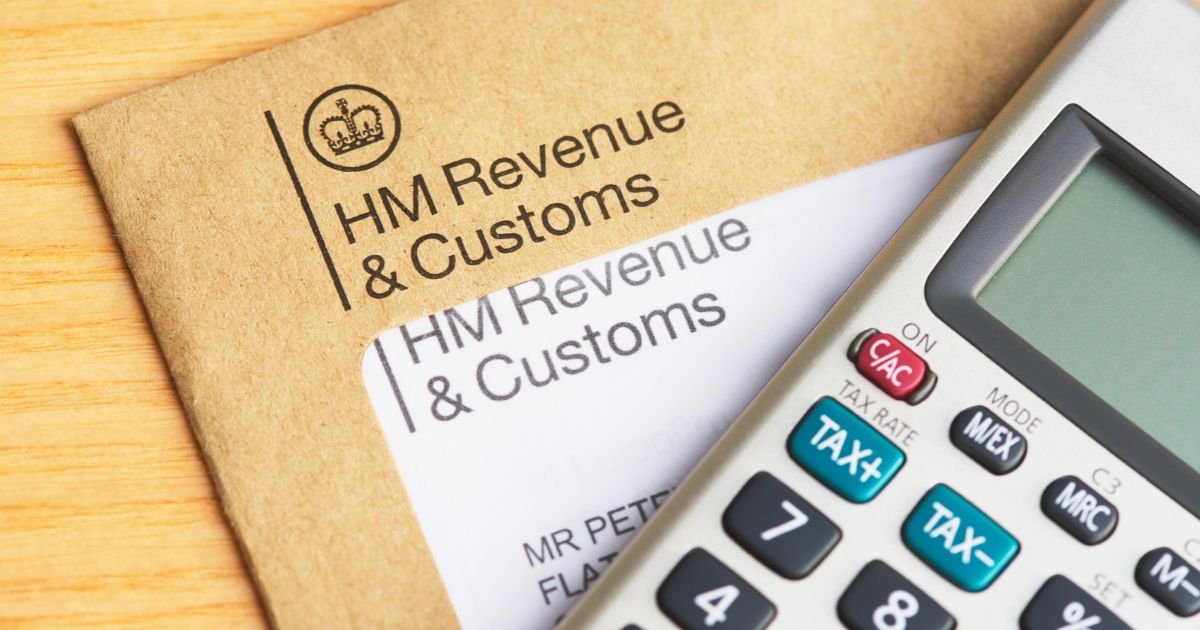
Receiving an HMRC Savings Tax Letter can be confusing, especially if you have never paid tax on bank interest before. You may wonder whether you have exceeded a tax-free allowance, made a mistake or need to pay an unexpected bill.
His Majesty’s Revenue and Customs (HMRC) is the UK government department responsible for collecting taxes and managing tax-related services. It also uses information from banks and building societies to check whether people need to pay tax on their savings interest.
Receiving an HMRC Savings Tax Letter does not automatically mean you have done something wrong. Understanding why HMRC contacted you, checking the figures and knowing how to respond can help you deal with the situation confidently.
Why Is HMRC Sending Savings Tax Letters?
Banks and building societies generally pay interest on savings without deducting Income Tax. After the end of the tax year, they report relevant interest information to HMRC.
The department uses these figures alongside your other taxable income to determine whether you owe tax. If its calculations show that additional tax may be payable, it can send a tax calculation explaining the amount.
Common reasons for receiving a letter include:
- Your savings interest exceeded your available allowances. Some of your interest may be taxable.
- You earned more interest than in the previous year. A higher savings balance or a better interest rate can increase your returns.
- You have several savings accounts. HMRC generally considers relevant interest across your accounts rather than looking at each one separately.
- Your tax code needs adjusting. HMRC may use your tax code to collect tax owed or account for estimated savings interest.
- Your personal circumstances changed. Changes in employment, pension income or other taxable income can affect your tax position.
People searching for hmrc savings tax letters are often trying to establish whether the letter requires payment, a correction or simply a review of their tax information.
According to GOV.UK, tax calculations for savings interest are usually sent between June and March following the end of the relevant tax year. The method used to collect any tax due depends on your circumstances. Read the official guidance on paying tax on savings interest.
What Does the Letter Actually Mean?
The meaning depends on the type of correspondence you receive. It could explain a tax calculation, tell you about a change to your tax code or provide instructions for paying an amount owed.
A tax calculation may show the tax year concerned, the interest reported by your bank and the amount HMRC believes remains payable after relevant allowances.Read the document carefully before making a payment. Check your name, the tax year, the interest figures and any stated deadline.
If HMRC has used an estimate of your savings interest for a future tax year, remember that the estimate may not match the amount you eventually earn. You can check your estimated interest through your Personal Tax Account.If something looks incorrect, compare the figures with your bank statements before contacting HMRC.
What Is a P800 Tax Calculation Letter?
A P800 is a tax calculation letter that HMRC may send if you have paid too much or too little tax. It explains the calculation and tells you what to do if you are due a refund or need to pay tax.
For example, HMRC might discover that the tax collected through your employment or pension did not fully account for your savings interest. The P800 explains the resulting calculation and the next steps.
What Is a Simple Assessment Letter?
A Simple Assessment letter is different. HMRC may send one when tax cannot be collected automatically through your income or when other qualifying circumstances apply.
The letter explains how much you owe, how to pay and when payment is due. Read the deadline carefully rather than assuming the amount will automatically be deducted from your wages or pension.
You can find more information in the official GOV.UK guide to tax overpayments and underpayments.
How Much Savings Interest Can You Earn Tax-Free?
The amount of interest you can receive without paying tax depends on your other income and the allowances available to you. Three allowances may be relevant.
Personal Allowance
The standard Personal Allowance is £12,570 for the 2026–27 tax year, although individual circumstances can affect entitlement.
If your wages, pension or other taxable income do not use the entire allowance, the unused portion may cover some savings interest. If your other income already uses it, you may need to rely on other savings allowances.
Personal Savings Allowance
Many taxpayers can also receive a Personal Savings Allowance. The usual annual amounts are:
| Income Tax band | Personal Savings Allowance |
|---|---|
| Basic-rate taxpayer | £1,000 |
| Higher-rate taxpayer | £500 |
| Additional-rate taxpayer | £0 |
Your tax band depends on your overall taxable income, including savings interest. If your interest exceeds your available allowance, the amount above it may be taxable at your applicable rate.
For example, a basic-rate taxpayer with the full £1,000 allowance who earns £1,250 in savings interest would generally have £250 above that allowance. If the full £250 is taxed at 20%, the tax would be £50.
Starting Rate for Savings
Some people may also qualify for the starting rate for savings, which can cover up to £5,000 of interest at 0%. Eligibility depends on other taxable income, and the available amount decreases as that income rises above the Personal Allowance.
You should not assume that the full allowance applies to you. Check the current rules using the official GOV.UK guide to tax-free savings interest.
Why Has HMRC Contacted You About Your Savings Account?
People searching for hmrc savings account tax letters may already pay tax through their salary or pension and wonder why savings interest has created a separate tax calculation.
The reason is that tax on interest may not be deducted when the bank pays it. HMRC can receive the relevant figures later and calculate whether additional tax is due.
If you have money in a current account, an easy-access savings account and a fixed-term account, HMRC generally considers the relevant interest earned across those accounts.
Check your annual interest summaries and bank statements to make sure the figures are accurate. For a joint account, interest is generally divided between the account holders according to their beneficial ownership; do not automatically assume every situation will be treated identically.
Interest earned in an Individual Savings Account (ISA) is generally tax-free under the applicable ISA rules. If you hold different types of savings products, check which tax rules apply to each one.
What Should You Do If You Receive a Letter?
If you receive an HMRC savings tax letter, avoid ignoring it or paying an amount before you understand the calculation. Follow these steps to check your position.
Step 1: Read the Letter Carefully
Identify the tax year, the amount involved, the reason for the calculation and the deadline. Check whether HMRC is asking you to pay, review information or contact the department.
Step 2: Compare the Figures With Your Bank Statements
Collect annual interest summaries from your banks and building societies. Compare the amounts with the figures in the letter.
Remember to check all relevant accounts, not just the one you use most often. If you find a discrepancy, make a note of the amount and the account concerned.
Step 3: Review Your Tax Allowances
Check whether your Personal Allowance, Personal Savings Allowance or starting rate for savings affects the amount of tax you owe.
If you are unsure how your allowances apply, use the official GOV.UK guidance or ask a qualified tax adviser for help.
Step 4: Check Your Personal Tax Account
Your Personal Tax Account can help you review tax information and check estimated savings interest included in your tax code.
If the estimate appears too high or too low, contact HMRC and ask for it to be reviewed.
Step 5: Contact HMRC if Something Is Wrong
If the interest figures, tax year or calculation do not match your records, contact HMRC using official contact details. Explain the problem and keep your bank statements and supporting documents available.
Step 6: Follow the Payment Instructions
If tax is due, check the payment method and deadline shown in your correspondence. If you cannot afford to pay by the deadline, contact HMRC promptly to ask what options may be available.
What If You Disagree With HMRC’s Calculation?
A tax calculation can be based on information supplied by financial institutions, but you should still verify that it reflects your circumstances.
An account might have been closed, interest could have been assigned to the wrong tax year, or an estimate may no longer reflect your current savings. You may also believe an allowance has not been taken into account correctly.
How to Challenge an Incorrect Calculation
Start by gathering your bank statements and annual interest summaries. Identify the specific figure you disagree with and explain why it appears to be wrong when you contact HMRC.
If your tax code includes an inaccurate estimate of future savings interest, ask HMRC to review it. The department can update your tax code if the estimate needs correcting.
You may also be entitled to a refund if you paid too much tax. The process depends on whether the overpayment relates to the current tax year or an earlier one. Read the official guidance on refunds for savings tax.
If you receive a Simple Assessment notice and believe it is incorrect, follow the instructions and deadline given in the notice.
What Are HMRC Tax Savings Letters?
The search phrase hmrc tax savings letters can refer to different types of tax correspondence involving interest earned on savings.
Some letters explain an underpayment from a previous tax year. Others may tell you that your tax code has changed or explain how to pay a balance that cannot be collected through your wages or pension.
A letter does not automatically mean you have received a penalty. It may simply explain how HMRC calculated your tax position or what you need to do next.
When Do You Need to Report Savings Interest?
Your reporting requirements depend on how much interest you earn and your individual tax circumstances.
If your savings interest is more than £10,000, GOV.UK guidance says you generally need to report it through a Self Assessment tax return. If you do not already complete one, you may need to register. Check the official guidance on paying tax on savings interest to understand the rules that apply to you.
Frequently Asked Questions
Does receiving a letter mean I owe tax?
Not necessarily. The letter may explain a tax calculation, a tax-code adjustment or an estimated amount. Check the figures and instructions to understand whether payment is required.
Can I earn savings interest without paying tax?
Yes. Your available tax-free allowances may cover some or all of your savings interest. The amount depends on your other income and personal tax circumstances.
Why has HMRC contacted me if I already pay tax through my salary?
Tax on savings interest may be calculated after banks report the interest they have paid you. HMRC may then collect any tax due through your tax code or another method.
What happens if I ignore the letter?
You could miss a payment or response deadline and face further complications. Read the letter carefully and contact HMRC if you need clarification or believe the figures are wrong.
Where can I check the latest savings tax rules?
The official GOV.UK website provides information about savings interest, tax allowances, tax calculations and payment methods. It is the best starting point for checking the rules relevant to your circumstances.
Final Thoughts
A letter from HMRC about savings interest can be unexpected, but it does not automatically mean you have done anything wrong. The department uses information from banks and building societies to determine whether tax is due after relevant allowances have been considered.
Read the letter, compare the figures with your bank statements and check the allowances available to you. If something appears incorrect, contact HMRC through official channels rather than ignoring the correspondence.
Taking these practical steps can help you understand the calculation, resolve mistakes and meet any genuine payment or reporting requirements.

Carter John is a writer at KnowsDaily, covering a wide range of topics, including lifestyle, technology, travel, finance, education, and everyday life. He focuses on creating clear, informative, and engaging content that helps readers find useful answers, explore new ideas, and make informed decisions. Through his work at KnowsDaily, Carter aims to make everyday information accessible, practical, and easy to understand.