

Introduction
Have you seen the word MataRecycler online and wondered what it actually means? Perhaps you want to know whether it is a recycling machine, a digital platform or a new technology designed to make waste management easier. Understanding the term can be confusing because different websites describe it in different ways.
Recycling itself is easy to understand: instead of throwing away useful materials, we collect and process them so they can become part of new products. The interesting part is how technology is changing this process. From machines that recognise different types of packaging to software that helps businesses manage waste, modern recycling is becoming more advanced.
This guide explores the meaning of MataRecycler, the technology associated with it, the potential benefits of smart recycling and its everyday applications. It also explains the limitations and checks that can help you distinguish reliable information from unsupported claims.
What Is MataRecycler?
MataRecycler is a term discussed online in connection with recycling, sustainability and waste management. People searching for it may be looking for information about an online platform, a recycling service or a technology that helps handle waste more effectively.
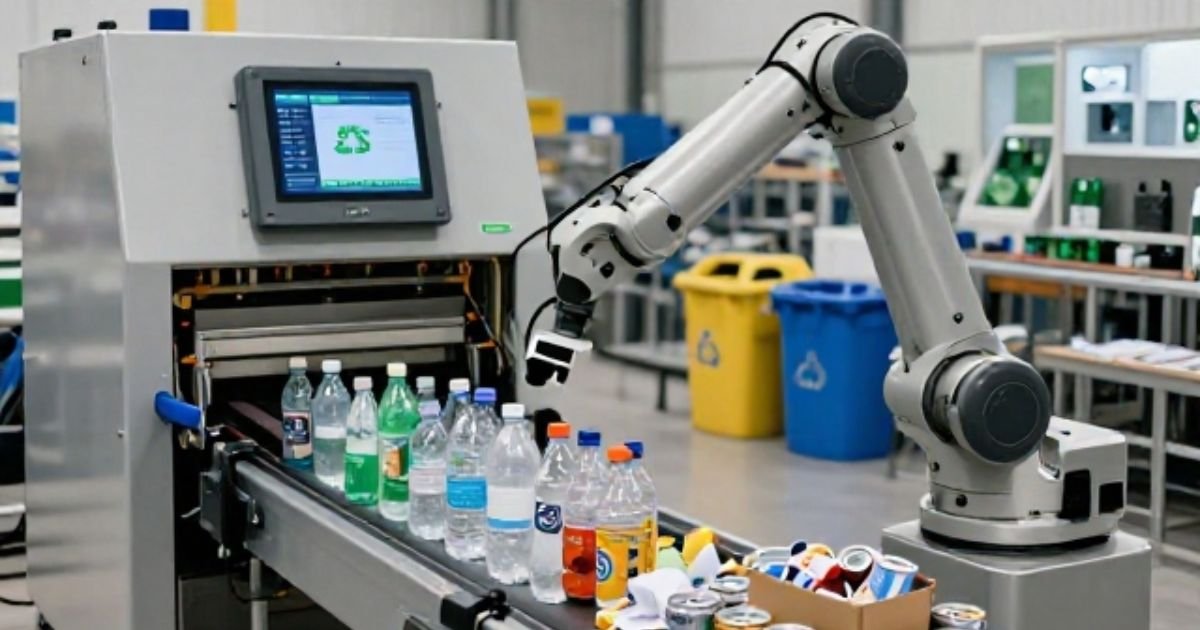
MataRecycler combines modern recycling ideas with smart waste management to make waste sorting more efficient. By using technologies such as artificial intelligence, sensors and automated sorting systems, recycling facilities can identify different materials, separate recyclable items and reduce waste. These methods can help recover valuable materials, improve recycling processes and support a cleaner, more sustainable environment.
To understand the wider concept, consider the different ways a recycler can work. A recycler may be a person or business that processes used materials, or it may refer to machinery that separates and prepares waste for recovery. In modern facilities, these activities can involve optical sensors, computer software and mechanical equipment.
The wider idea behind smart recycling is to make waste handling more organised, accurate and efficient. Whether MataRecycler refers to a particular service or a broader recycling concept should be confirmed through reliable information about its operator and purpose.
How Does AI Recycling Work?
Artificial intelligence can help recycling facilities recognise materials and make sorting decisions. The process involves several stages, each with a different purpose.
1. Recognising Waste Through Cameras
Some automated sorting systems use cameras to capture images of items moving along a conveyor belt. Computer vision software analyses those images to identify objects or recognise visual patterns associated with particular materials.
For example, a system may be trained to distinguish a plastic bottle from a cardboard package. Its performance depends on the training data, lighting, object condition and the variety of materials it encounters.
2. Identifying Material Types
Visual recognition is not always enough to determine what an object is made from. Certain materials look similar even though they require different processing methods.
Industrial recycling facilities may therefore use specialised sensors to help identify material properties. Some optical systems can distinguish between particular types of plastic, helping operators direct them towards appropriate processing streams.
3. Separating Items Automatically
After a system identifies an object, machinery can move it into a designated collection area. Depending on the installation, this may involve air jets, mechanical diverters or robotic arms.
Automated sorting is particularly useful where large quantities of waste need to be processed quickly. Workers still play an important role in monitoring equipment, managing exceptions and checking the quality of recovered materials.
4. Analysing Operational Data
Digital monitoring systems can record information about material volumes, sorting results and equipment performance. Facility managers may use these records to identify recurring problems or determine whether adjustments are needed.
These are established applications of AI-assisted recycling. They explain the technology associated with the subject but do not confirm that a particular MataRecycler product uses all these methods.
Key Features of Smart Recycling Systems
Different recycling solutions offer different capabilities. The following features illustrate what modern waste-management technology can provide.
Intelligent Material Recognition
AI software can be trained to recognise certain objects and material categories. This can help reduce reliance on visual inspection alone, especially in busy processing environments.
However, recognition is not perfect. Dirty packaging, overlapping objects and unfamiliar materials can affect the results.
Connected Waste Containers
Some smart bins use sensors to monitor how full a container is. The information can help building managers or waste contractors decide when collection is needed.
This feature focuses on collection efficiency rather than identifying the contents. A connected bin does not necessarily have the ability to distinguish recyclable materials from general rubbish.
Automated Sorting Equipment
Mechanical sorting technology can separate different material streams with limited manual handling. When combined with suitable identification systems, it can help facilities process waste more consistently.
The equipment must still be configured for the materials being handled, and unsuitable items may need additional inspection.
Digital Reporting and Monitoring
Waste-management software can help organisations track collection volumes, review recycling performance and maintain operational records.
For businesses, this information can reveal where waste is being generated unnecessarily or where existing procedures could be improved. The usefulness of the data depends on how accurately it is collected and interpreted.
These features are available across the broader recycling industry. Their inclusion in any named product should be confirmed through official specifications.
Environmental Benefits of Better Recycling
Recycling technology matters because the way we handle discarded materials affects resource use, pollution and waste disposal.
Conserving Natural Resources
Recovering suitable materials can reduce the need to extract new raw resources. Recycled paper, metals, glass and certain plastics can be used in manufacturing processes when they meet the required quality standards.
The benefits vary by material and process, but recovering usable resources can help reduce dependence on virgin materials.
Reducing Landfill Waste
When suitable items are collected and processed successfully, fewer materials may need to be sent to landfill. This is particularly relevant in areas where disposal capacity is limited.
However, sorting an item correctly does not guarantee that it will be recycled. Collection arrangements, processing facilities and demand for recovered materials all affect the final outcome.
Supporting Energy Efficiency
Producing goods from recycled materials can require less energy than manufacturing them entirely from virgin resources in some cases. The actual difference depends on the material, production method and transportation requirements.
Automated sorting may help prepare cleaner material streams, but the environmental value of the complete process should be assessed rather than assumed.
Encouraging Responsible Consumption
Recycling also encourages people and organisations to think more carefully about what they purchase and discard. Better waste monitoring can reveal opportunities to reduce packaging, reuse supplies and avoid unnecessary disposal.
For practical recycling advice in the UK, the GOV.UK recycling and waste guidance provides information about waste management, recycling responsibilities and ways to reduce household waste.
Where Can Smart Recycling Be Used?
Smart waste management is not limited to large recycling plants. Different technologies can support a range of everyday activities.
Homes and residential buildings: Residents can use digital recycling guides to check which materials their local collection service accepts. In shared buildings, fill-level sensors may help staff organise bin collections.
Offices and retail businesses: Shops and offices often produce cardboard, packaging, paper and food waste. Monitoring these waste streams can help managers improve separation and arrange more suitable collection services.
Industrial facilities: Factories may generate metal offcuts, packaging and other recoverable materials. Suitable sorting systems can help separate valuable resources from waste that requires disposal.
Recycling centres: Material recovery facilities can use optical sorting and automated machinery to process large quantities of mixed recyclables.
Local authorities: Digital collection data can help councils and contractors assess demand, plan routes and identify areas where recycling participation needs improvement.
The most suitable solution depends on the amount and type of waste, the available infrastructure and the cost of operating the system.
MataRecycler vs Traditional Recycling
Traditional recycling and smart recycling have the same broad objective: recover useful materials and reduce unnecessary waste. Their methods can differ considerably.
| Area | Traditional recycling | Smart recycling |
|---|---|---|
| Identification | Manual inspection and conventional equipment | May include AI and sensor-based recognition |
| Sorting | Manual or mechanical separation | May combine automated and manual sorting |
| Monitoring | Routine checks and standard records | Can include digital tracking and sensor data |
| Investment | Depends on existing facilities | Advanced equipment may increase initial costs |
| Maintenance | Depends on machinery and procedures | May require additional software and technical support |
Neither approach is automatically better in every situation. A small business may achieve excellent results with clearly labelled bins and reliable collections, while a large facility processing mixed materials may benefit from automation.
This is a general comparison of recycling methods, not a verified product comparison involving MataRecycler.
Limitations and Challenges to Consider
Modern technology can improve some recycling tasks, but it cannot remove every obstacle.
Initial investment: Advanced sorting machinery and digital systems can be expensive to install. Organisations must consider whether the expected improvements justify the cost.
Material contamination: Food residue, mixed packaging and unsuitable items can reduce the quality of recovered materials.
Recognition errors: AI software can misclassify unfamiliar or damaged objects. Human supervision and quality checks remain important.
Processing capacity: Even correctly sorted materials need suitable facilities that can process them and use the recovered output.
Maintenance and training: Equipment requires servicing, and staff need to understand how to operate it safely and effectively.
Unverified product claims: Information about MataRecycler does not clearly establish a single commercial system with independently verified specifications or performance results. Claims about guaranteed savings, particular sensors or sorting accuracy should be supported by reliable evidence.
How to Check Whether a Recycling Technology Is Genuine
If you encounter a website or product claiming to offer advanced recycling capabilities, take time to check the details before relying on it.
- Identify the provider. Look for a clearly named organisation, working contact information and a description of the service.
- Check the official documentation. Product specifications should explain what the equipment does, which materials it handles and where it can be used.
- Look for independent testing. Reliable performance reports are more useful than unsupported claims about accuracy or efficiency.
- Examine real-world examples. Documented installations and identifiable customers can help establish whether a commercial solution is operating in practice.
- Calculate the full cost. Include equipment, installation, maintenance, energy use, training and software fees.
- Question environmental promises. Look for measurable outcomes instead of relying on broad claims that a product is automatically sustainable.
These checks are useful for evaluating recycling equipment, digital platforms and other environmental technologies.
How Can You Recycle More Effectively at Home?
You do not need an expensive machine to improve your recycling habits. Small changes can make everyday waste easier to manage.
- Separate recyclable items according to your local council’s instructions.
- Reuse bags, containers and other suitable products where possible.
- Avoid unnecessary packaging when choosing between similar products.
- Keep materials in the condition required by your local recycling service.
- Take batteries and electronic devices to appropriate collection points.
- Repair useful household items instead of replacing them immediately.
- Reduce food waste through meal planning and sensible storage.
Remember that not producing unnecessary waste is often better than having to manage it later. The waste-management hierarchy places prevention and reuse ahead of recycling, highlighting the value of making fewer disposable purchases.
The UK Government’s waste management guidance explains how waste can be managed more responsibly, with an emphasis on reducing waste, reusing materials and recycling wherever possible.
Frequently Asked Questions
What does MataRecycler mean?
MataRecycler is a term associated online with recycling and sustainability. Some websites connect it with smart waste management, but the available evidence does not establish one definitive commercial product with all the features attributed to it.
What is a recycler?
A recycler can be a person, business, machine or system involved in recovering and processing used materials. In an industrial setting, recycling equipment may help sort, separate or prepare waste for further processing.
Can AI identify every recyclable material?
No. AI systems can recognise selected materials, but their accuracy depends on the software, sensors and operating conditions. Some objects still require manual inspection or specialist testing.
Does smart recycling reduce costs?
It may reduce certain labour requirements, sorting errors or collection inefficiencies. However, installation, maintenance and energy costs can offset those savings. Each system needs to be assessed individually.
Is MataRecycler a verified AI recycling product?
The information reviewed for this article does not establish a specific commercial product with independently verified technical features under this name. Readers should consult reliable official documentation before accepting product-specific claims.
Final Thoughts
Recycling is changing as digital tools and automated equipment become more widely used. AI-assisted sorting, connected sensors and data analysis can help organisations handle certain waste streams more efficiently, but their success depends on practical implementation and the facilities available to process recovered materials.
MataRecycler is a term worth investigating if you are researching recycling and sustainability. The important distinction is between the wider technology described in online articles and the verified capabilities of a particular product.
For everyday life, the most useful starting point remains simple: buy thoughtfully, reuse what you can, separate waste correctly and follow local recycling guidance. For businesses considering advanced equipment, reliable documentation and measurable results should come before marketing promises.

Carter John is a writer at KnowsDaily, covering a wide range of topics, including lifestyle, technology, travel, finance, education, and everyday life. He focuses on creating clear, informative, and engaging content that helps readers find useful answers, explore new ideas, and make informed decisions. Through his work at KnowsDaily, Carter aims to make everyday information accessible, practical, and easy to understand.